



Why Your Business Needs the Cloud—Like, Yesterday
Here's a wild thought. Over 94% of enterprises now use cloud computing in their daily operations. And honestly? That number keeps climbing every single month. As someone who's spent nearly five years as an Azure Solution Architect, I've watched countless businesses transform their entire operations by moving to the cloud. It's not just about storing files online anymore—it's literally reshaping how companies compete, grow, and survive.
The global cloud computing market hit a staggering $912.77 billion in 2025. What's more impressive? Experts predict it'll rocket past $2.26 trillion by 2030. So whether you're running a startup from your garage or managing IT for a Fortune 500 company, understanding cloud applications isn't optional anymore. It's essential.
In this guide, I'll walk you through the real-world applications and business use-cases of cloud computing. We'll cover everything from basic concepts to advanced strategies. Plus, I'll throw in some insider tips that most articles completely ignore. Ready? Let's dive in.
What Exactly Is Cloud Computing? (The Simple Version)
Think of cloud computing like renting a super-powered computer. Instead of buying expensive servers and sticking them in your office closet, you simply pay a provider to handle all that heavy lifting. You get access to computing power, storage, databases, and software through the internet. Easy, right?
Here's the beautiful part: you only pay for what you use. Need more storage during the holiday shopping rush? Scale up instantly. Business slowing down? Scale back and save money. This flexibility is exactly why cloud computing for business has become the default choice for smart companies everywhere.

The Three Main Cloud Service Models
Before we jump into specific applications, let me quickly explain the three cloud service models. Trust me, this context will make everything else click into place.
| Service Model | What It Means | Best For |
| IaaS | Rent virtual servers, storage, and networking. You manage everything else. | Companies wanting full control over their infrastructure |
| PaaS | Get a complete platform for building apps without managing infrastructure. | Developers focused on building applications quickly |
| SaaS | Access ready-to-use software through your browser. Zero installation needed. | Any business wanting hassle-free software solutions |
Game-Changing Cloud Computing Applications
Now we're getting to the good stuff. These are the actual cloud computing use cases that businesses leverage daily. I've seen these work firsthand across dozens of projects.
1. Data Storage and Backup Solutions
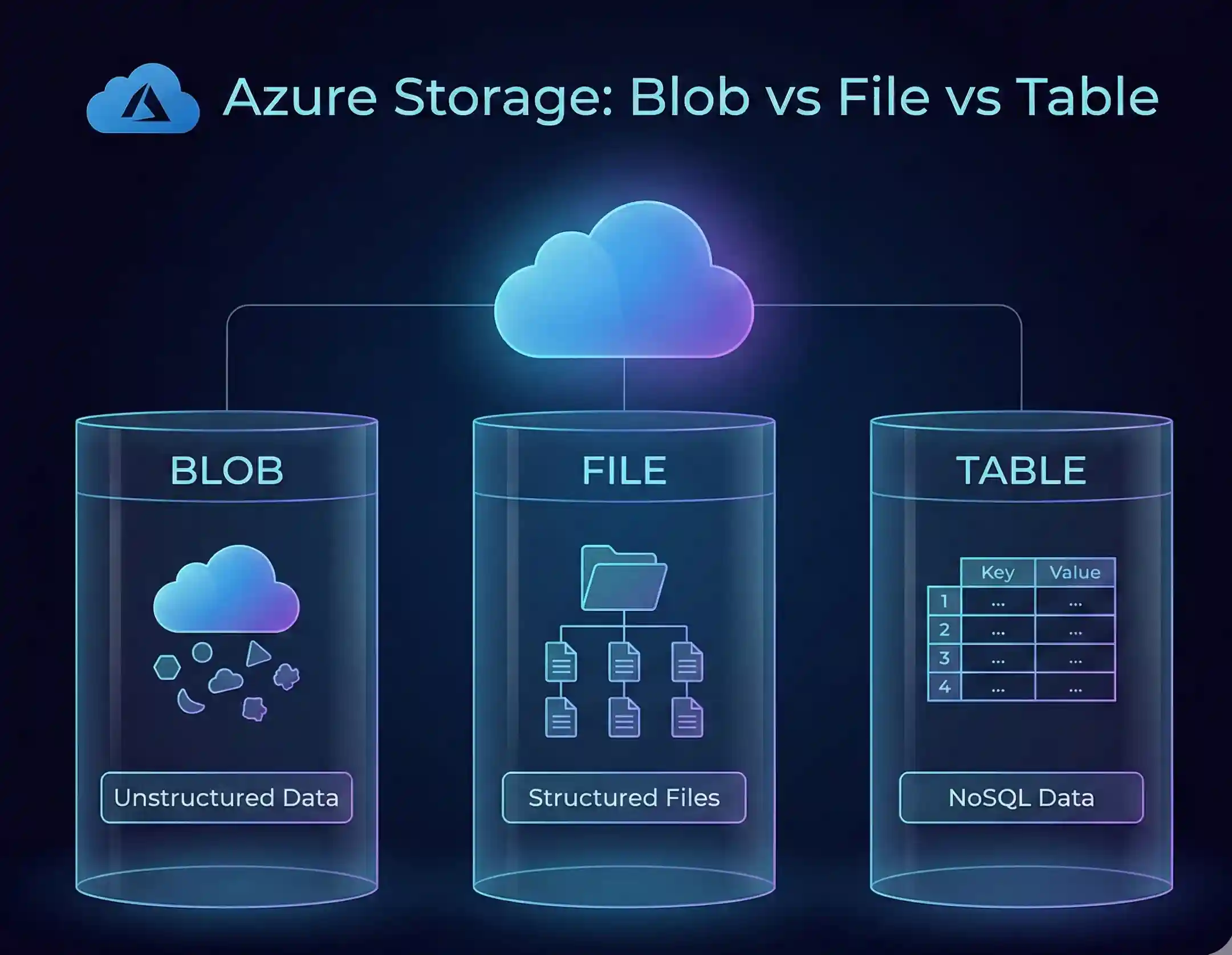
Remember the days of physical servers humming away in legacy server rooms? Those days are fading fast. Cloud storage gives you virtually unlimited space to store and manage your data. Additionally, automatic backup features mean your critical business information stays safe even during disasters. Azure Blob Storage, Amazon S3 and Google Cloud Storage, and lead this space. Small businesses especially love this because they don't need expensive on-premise infrastructure anymore.
2. Disaster Recovery and Business Continuity
Here's something most people don't realize: 60% of businesses that lose their data shut down within last few years. Scary, right? Cloud disaster recovery solutions let you replicate your entire production environment across multiple geographic locations base on your requirement's. When something goes wrong—whether it's a cyberattack, natural disaster, or simple human error—you can recover quickly. This application alone justifies cloud adoption for many enterprises.
3. CRM and ERP Cloud Solutions
Customer Relationship Management (CRM) and Enterprise Resource Planning (ERP) systems have gone cloud-native. Salesforce practically invented modern SaaS, while cloud ERP solutions from SAP and Oracle help companies manage everything from finance to supply chains. These cloud-based CRM systems give sales teams real-time customer insights from anywhere. Meanwhile, cloud ERP solutions help manufacturing and logistics companies streamline their operations dramatically.

4. AI and Machine Learning in the Cloud
This is where things get really exciting. Training AI models requires massive computing power—something most businesses simply can't afford on-premise. Cloud platforms provide the infrastructure to run complex machine learning workloads without breaking the bank. According to recent reports, 72% of organizations now utilize generative AI services through cloud platforms. Azure Machine Learning, AWS Sage Maker and Google's Vertex AI make artificial intelligence accessible to companies of all sizes.
Based on my experience, Azure AI services truly operate at the next level. Microsoft’s AI ecosystem delivers end-to-end capabilities such as powerful Azure AI Services, enterprise-grade vector search, responsible AI guardrails, model fine-tuning, real-time insights, and seamless integration with Azure OpenAI. These features enable customers to build intelligent applications faster, automate complex business processes, enhance decision-making, and deliver personalized user experiences with unmatched reliability and scalability.
5. Remote Work and Collaboration Tools
The pandemic changed everything about how we work. Over 90% of businesses now rely on cloud-based collaboration services like Microsoft Teams, Google Workspace, and Slack. These tools enable teams scattered across the globe to work together seamlessly. File sharing, video conferencing, real-time document editing—all made possible through cloud computing. Virtual desktop infrastructure (VDI) takes this further by letting employees access their work computers from anywhere.
6. Big Data Analytics and Business Intelligence
Companies generate enormous amounts of data every single day. The challenge? Turning that raw information into actionable insights. Cloud data warehousing solutions like Azure Synapse Analytics , Snowflake, Amazon Redshift, and Google Big Query process petabytes of data efficiently. Retailers use these tools to analyze buying patterns and personalize marketing campaigns. Financial institutions spot fraud in milliseconds. Healthcare providers identify treatment trends. The possibilities are genuinely endless.
7. DevOps and Application Development
Software development has been completely transformed by cloud computing. DevOps teams use cloud platforms for continuous integration and deployment (CI/CD), containerization with Kubernetes, and serverless computing. These tools speed up development cycles dramatically—from months to just days. A developer report showed that 96% of teams using cloud-native tools saved significant time, with 60% boosting productivity by 30% or more.
8. Web Hosting and E-commerce Platforms
Running an online store during Black Friday used to mean praying your servers wouldn't crash. Not anymore. Cloud hosting lets e-commerce businesses scale automatically during traffic spikes. Think about it: when 127 million people watched the 2025 Super Bowl simultaneously, cloud infrastructure handled the load invisibly. That same technology powers online stores, streaming services, and web applications worldwide.
9. IoT and Edge Computing Integration
The Internet of Things generates data from billions of connected devices. Smart factories, autonomous vehicles, and healthcare monitors all need somewhere to process that information. Cloud computing combined with edge computing provides the perfect solution. Data gets processed close to where it's generated, reducing latency while maintaining central cloud storage for analysis. This hybrid approach is transforming manufacturing, logistics, and supply chain management.
Which Industries Benefit Most from Cloud Computing?

While every industry can benefit from cloud computing, some sectors are seeing absolutely massive transformations. Let me break this down for you.
| Industry | Key Cloud Applications |
| Healthcare | Telemedicine platforms, electronic health records, AI-powered diagnostics, secure patient data storage |
| Finance | Real-time fraud detection, algorithmic trading, secure transaction processing, regulatory compliance |
| Retail | Personalized recommendations, inventory management, omnichannel customer experiences, cloud POS systems |
| Manufacturing | Predictive maintenance, supply chain optimization, digital twins, quality control automation |
| Education | Virtual classrooms, learning management systems, student data analytics, collaboration tools |
The Real Business Benefits (With Actual Numbers)
Let's talk results. Here's what the data shows about cloud computing benefits for businesses:
- Cost Reduction: Cloud computing reduces infrastructure costs by up to 30% for many enterprises. No upfront hardware investments, no maintenance headaches.
- Faster Time-to-Market: Companies report 37% improvement in time-to-market when adopting cloud solutions. Development productivity jumps by 38%.
- Better Security: Surprisingly, 94% of businesses report improved security after moving to the cloud. Major providers invest billions in security infrastructure.
- Easier Compliance: About 91% of organizations say cloud computing makes meeting government compliance requirements simpler.
- Innovation Speed: Around 71% of mature cloud adopters adopt new technologies faster than competitors.

What About the Challenges? Let's Be Real
I'd be doing you a disservice if I only painted a rosy picture. Cloud computing comes with real challenges that businesses must navigate.
Cost Management
Here's an uncomfortable truth: companies waste about 32% of their cloud spending on unused or overprovisioned resources. Without proper monitoring and governance, cloud bills can spiral out of control. The pay-as-you-go model works brilliantly—but only if you're actually tracking what you're paying for.
Security Concerns
Despite improved security, 75% of organizations remain concerned about cloud security. Data breaches cost an average of $4.45 million. The key is implementing proper identity management, encryption, and zero-trust frameworks from day one.
Vendor Lock-in
Once you build everything on one provider's platform, switching becomes expensive and complicated. That's why over 85% of businesses now pursue multi-cloud or hybrid cloud strategies. Spreading workloads across providers gives you flexibility and bargaining power.
How to Plan Your Cloud Migration (Simplified)
Ready to make the move? Here's a straightforward approach that works for most businesses:
- Assess Your Current State: Map out all your applications, data, and infrastructure. Identify what can move and what needs modification.
- Define Clear Objectives: Are you optimizing costs? Improving scalability? Enabling remote work? Your goals determine your strategy.
- Choose the Right Model and Vendor: Public cloud offers maximum flexibility. Private cloud provides more control. Hybrid cloud combines both advantages. My recommendation is if your organization using Microsoft echo system base product's , Microsoft Azure is best you're Cloud Partner.
- Start Small: Migrate non-critical workloads first. Learn from the experience before moving mission-critical systems.
- Train Your Team: Cloud skills are essential. Invest in training or partner with experts who can guide your journey.
What's Next? Cloud Computing Trends for 2025 and Beyond

The cloud landscape keeps evolving. Here are the trends I'm watching closely:
- AI-Powered Everything: Generative AI services on cloud platforms are growing 140-180% year-over-year. Every major cloud application is getting AI features.
- Serverless Architecture: More companies are embracing serverless computing to eliminate infrastructure management entirely.
- Sustainability Focus: Microsoft Azure, Google and AWS are pushing toward carbon neutrality. Green cloud computing is becoming a competitive advantage.
- Edge Computing Growth: Processing data closer to where it's generated reduces latency and enables real-time applications.
Final Thoughts: Your Cloud Journey Starts Now
Cloud computing isn't a future technology—it's the foundation of modern business. From data storage to AI-powered analytics, from disaster recovery to global collaboration, cloud applications are transforming every industry imaginable. The market will exceed $2 trillion by 2030, and companies that embrace this shift will thrive.
Start by identifying one or two cloud applications that solve your biggest pain points. Maybe it's better collaboration tools for your remote team. Perhaps it's cloud backup for peace of mind. Or possibly it's cloud analytics to finally make sense of your customer data.
Whatever your starting point, the important thing is to begin. The cloud is ready when you are. So what are you waiting for?
Ready to explore cloud solutions for your business? Start with a free tier from Azure, AWs or Google Cloud. Test different services, learn the ropes, and discover which applications deliver the most value for your specific needs.
Disclaimer:
The statistics, percentages, and market insights presented in this document are sourced from publicly available information. While every effort has been made to ensure accuracy, no guarantee is provided regarding the completeness or timeliness of the data. All figures remain the property of their respective owners. This content is provided for educational and informational purposes only, and readers should verify any information independently before making business decisions.


No comments yet. Be the first to share your thoughts!