


Let’s have a real chat. You’ve spent weeks, maybe months, building the perfect website. The design is sleek, the content is killer, but there's a problem... it’s slow. A visitor from Canada waits ages for your homepage to load, and someone in the US just gives up entirely. Heartbreaking, right? We've all been there.
What if I told you there’s a secret weapon to make your website lightning-fast for everyone, everywhere? It’s called a Content Delivery Network, or CDN. And today, I’m going to walk you through everything you need to know, from a simple "What is a CDN?" to my personal experiences with the services I use every day.
Let’s get your site flying.

What is a CDN and Why Should I Even Use One?
Okay, let's break it down in simple terms. Imagine your website is a single food truck in Singapore. If someone wants your food, they have to come all the way to your location. Now, what if you could magically place copies of your food truck in major cities all over the world—New York, Toronto, London? Your customers would get their food much faster because the truck is right around the corner.
A CDN does exactly that for your website.
It’s a network of servers spread across the globe that stores copies (or a ‘cache’) of your website’s content, like images, videos, and code(java scripts). When a user visits your site, the CDN delivers the content from the server closest to them.
So, why should you care?
- Blazing-Fast Speed: Less distance means faster loading times. A faster site means happier visitors, and Google loves happy visitors (hello, better SEO!).
- Improved Reliability: If your main server goes down for some reason, a CDN can often keep your site online by serving the cached version. It’s like having a backup plan.
- Better Security: Many CDNs offer a shield against online threats. They can help with security and DDoS protection, stopping bad guys before they even reach your server.
- Lower Bandwidth Costs: By handling a lot of the traffic, CDNs reduce the load on your main server, which can save you money on hosting bills.
How to Choose the Best CDN Provider for You
Picking a CDN feels a bit like choosing a new phone. They all seem to do the same thing, but the small features make a big difference. So, what features should you look for when selecting a CDN?
Here’s a simple checklist:
- Performance: How fast is it, really? Look for a provider with a large, strategically placed network of servers (often called Points of Presence, or PoPs).
- Global Coverage: Where are your users? If your audience is mainly in North America and Europe, you don’t need a CDN with thousands of servers in Asia. Choose a provider with strong coverage where it matters to you.
- Pricing: CDN pricing can be confusing. Some have a pay-as-you-go model, while others offer fixed monthly plans. We’ll talk more about free CDN providers later!
- Ease of Use: How easy is it to set up and manage? A good CDN should have a clean dashboard and clear instructions.
- Security Features: Does it offer SSL certificates, DDoS mitigation, and a Web Application Firewall (WAF)? This is super important for protecting your site.
- Support: When things go wrong (and sometimes they do), how good is their customer support?

My Top CDN Recommendations for 2025
Alright, this is the part you’ve been waiting for. I’ve worked with many CDNs over the years, from big enterprise solutions to budget-friendly options for my own projects. Here’s my honest breakdown of the best CDN providers out there.
1. For the Pros: Microsoft Azure Front Door (Formerly Azure CDN)
As a Cloud Engineer and Microsoft Certified Trainer, my day-to-day work is deep inside the Azure ecosystem. So, I have to put this one first, especially for my fellow enterprise users and anyone serious about a career in cloud.
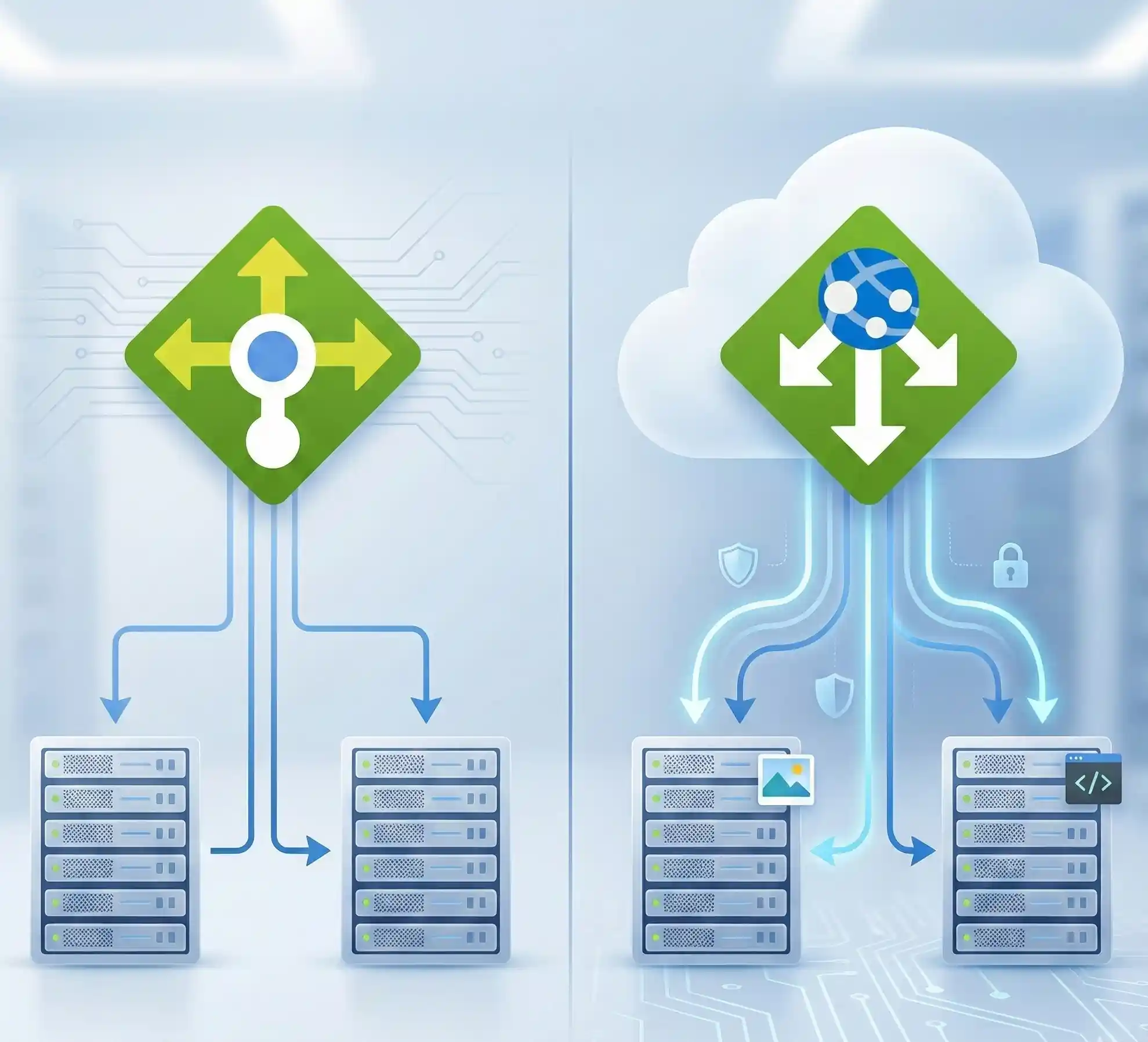
Microsoft has recently rebranded its CDN offerings into Azure Front Door, and it’s an absolute powerhouse. It's more than just a CDN; it’s a modern cloud delivery network.
My Personal Experience:
I’ve implemented Azure Front Door for several enterprise customers, and it’s my go-to recommendation for any business already using Azure services. The integration is seamless. What I love is that it comes with a built-in Web Application Firewall (WAF) that provides amazing security right out of the box. Plus, the global routing options are fantastic for directing traffic and ensuring high availability for critical web apps. It’s a true enterprise CDN solution.
If you're in the Microsoft world, this is a no-brainer. Getting certified can also give you a huge career boost.
- Relevant Certification: Microsoft Certified: Azure Administrator Associate (AZ-104)
- Advanced Certification: Microsoft Certified: Azure Solutions Architect Expert (AZ-305)
2. My Go-To for Blogs & Small Business: Bunny.net
Now, for my own blog, kloudschool.com, and a few other websites I manage, I don’t need a massive enterprise solution. I need something fast, reliable, and affordable. That’s where Bunny.net comes in.
My Personal Experience:
I’ve been using Bunny.net for a while now, and I am seriously impressed. For a very affordable price, you get incredibly high-quality service. The performance is fantastic, the user interface is clean and developer-friendly, and their pay-as-you-go pricing is transparent and fair. For small businesses, startups, or anyone running a personal blog (like WordPress users!), I highly recommend giving Bunny.net a try. It’s proof that you don’t need to spend a fortune for top-tier performance.

CDN Providers at a Glance: A Quick Comparison
To make things easier, here’s a table comparing some of the top CDN services available today. This list is based on a mix of my experience, industry reviews, and performance guides for 2025.
| CDN Provider | Official Link | Brief Description |
| Cloudflare | https://www.cloudflare.com | Global leader, free tier, robust security, edge compute, analytics, ideal for sites of all sizes. |
| Akamai | https://www.akamai.com | Extensive network, enterprise features, market pioneer, strong security, used by major enterprises. |
| Amazon CloudFront | https://aws.amazon.com/cloudfront/ | Seamless AWS integration, edge locations worldwide, scalable, strong for web apps and APIs. |
| Google Cloud CDN | https://cloud.google.com/cdn | Advanced caching, Google Cloud ecosystem, smart routing, good for dynamic sites and global delivery. |
| Microsoft Azure Front Door | https://azure.microsoft.com/services/cdn/ | Deep Azure integration, global scale, strong security, analytics, for business/enterprise cloud users. |
| Bunny.net | https://bunny.net | Affordable, fast, developer-friendly, transparent pay-as-you-go pricing, good for startups & SMBs. |
| KeyCDN | https://www.keycdn.com | Cost-effective, easy setup, developer-focused, strong POP coverage in Europe/NA. |
| Fastly | https://www.fastly.com | Advanced edge compute, real-time CDN, instant cache purge, strong for dynamic content delivery. |
| CDN77 | https://www.cdn77.com | Performance-centric, transparent pricing, popular with streaming/video, 130+ global POPs. |
| Gcore | https://gcore.com/cdn/ | Wide global reach, built-in DDoS, strong media delivery, easy onboarding, affordable options. |
Frequently Asked Questions (FAQs) About CDNs
Let's tackle some common questions I hear all the time.
Are there free CDN providers available?
Yes! The most popular one is Cloudflare. Their free plan is incredibly generous and is perfect for small websites, blogs, and anyone just starting out. It offers great security benefits and a solid performance boost. For a free CDN service in 2025, Cloudflare is hard to beat.
Which CDN is best for WordPress or e-commerce?
For WordPress, providers like Cloudflare and Bunny.net are fantastic because they are easy to integrate with caching plugins (like W3 Total Cache or WP Rocket). For e-commerce, you need a secure CDN with strong performance and reliability. Cloudflare, Akamai, and Fastly are all excellent choices, offering advanced security and ensuring your product pages load instantly for customers.
What about the best CDN for video streaming?
Video is a different beast. It requires massive bandwidth and low latency. For this, you need a CDN specialized for media delivery. Providers like Azure Front Door, CDN77, Gcore, and Akamai are known for their strong performance in live streaming and video on demand. They have networks built to handle large files and high traffic spikes without buffering.
Can you use multiple CDNs for better reliability?
Absolutely. This is called a multi-CDN setup, and it’s an advanced strategy used by large companies to maximize uptime and performance. By using two or more CDN providers, you can route your traffic to whichever network is fastest for a particular user or use one as a backup if another has an outage. It adds complexity, but for mission-critical applications, it’s a powerful approach.
Conclusion: It's Time to Speed Things Up
Choosing the right CDN can feel like a big decision, but it doesn't have to be.
- If you're a professional working with Microsoft technologies, Azure Front Door is an unmatched, integrated solution.
- If you're running a blog, a small business, or just want the best bang for your buck, I can’t say enough good things about Bunny.net.
- And if you're just starting and your budget is zero, Cloudflare's free plan is an incredible gift to the internet community.
The bottom line is this: in 2025, a slow website is no longer an option. A CDN is one of the easiest and most effective ways to give your users a better experience, improve your security, and climb those Google rankings.
Now I want to hear from you! What CDN are you using? Have you had a good (or bad) experience with one? Drop a comment below and let’s talk


No comments yet. Be the first to share your thoughts!